
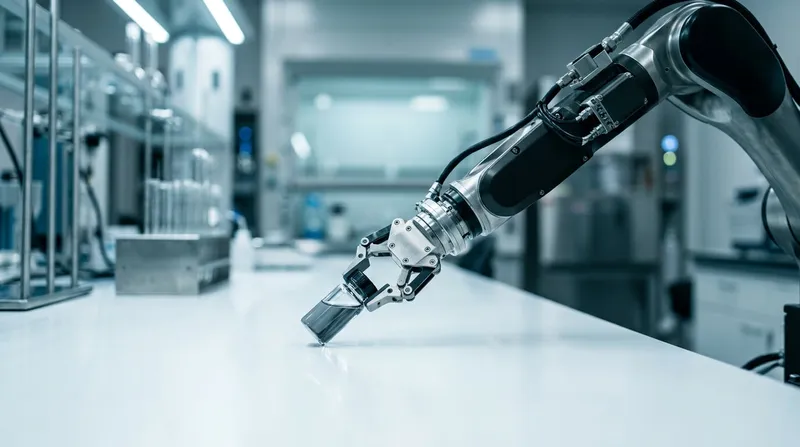
An instrument can finish a run while the batch still waits for a decision. Someone may need to enter dilution factors, match results to sample records, or track down a missing preparation detail. As sample volumes grow, these small delays can become a substantial part of laboratory turnaround time.
Battery testing automation addresses that work around the measurement as well as the measurement itself. For materials laboratories, the opportunity lies in connecting sample preparation and analysis with the information needed to review the result. A faster instrument helps only if the rest of the workflow can keep pace.
Where the Queue Builds Up
The most useful starting point is the path from sample receipt to an approved report. Time spent waiting for digestion, transferring results, or resolving incomplete records may exceed the instrument run time. Separating hands-on work from waiting time helps explain where capacity disappears.
For example, automated dilution may ease a preparation bottleneck in an elemental analysis lab. If the main delay comes from reviewing results, however, preparing more samples simply moves the queue downstream. The appropriate change depends on the workload, the sample mix, and the stage that limits progress.
Working in analytical science?
Register for a FREE Separation Science account to subscribe to the Separation Science Newsletter.

Routine work and exceptions also compete for capacity. A laboratory processing familiar cathode powders has different needs from one receiving changing electrolyte formulations or heterogeneous recycling samples. Automation works best when the workflow defines which samples can follow the routine path and which need an analyst’s attention.
Sample Handling Still Depends on the Chemistry
Autosamplers and automated dilution systems can reduce repetitive transfers and make programmed steps more consistent. In battery analysis, though, the liquid reaching the instrument may contain high salt concentrations, residual particles, or organic solvents. Those properties affect pumping, rinsing, material compatibility, and carryover.
The role of automated sample handling therefore extends beyond loading more vials. A suitable configuration has to sustain performance across the matrices in the queue. The accompanying discussion of battery elemental analysis workflows connects those handling demands with measurements across raw materials, manufacturing, and recycling.
Automated dilution also needs checks under the conditions in which the laboratory will use it. Performance with water alone may not describe delivery of a viscous or concentrated sample. Dilution accuracy, carryover, and the reporting limits after dilution all influence whether the resulting data remain fit for purpose.
Longer unattended runs make exception handling important. A failed check standard, blocked uptake line, or empty vial needs a defined response: a pause, a flag for review, or another action established during method development. Continuing a sequence without recognizing the problem can create more rework than the automation saves.
Keeping the Sample and Its History Together
A laboratory information management system, or LIMS, can connect sample identity, requested tests, results, and review status. In battery manufacturing workflows, that connection supports traceability between the material entering the laboratory and the information returned to production.
The details become important when one sample produces several test portions. A cathode powder may undergo separate preparations for major elements and trace impurities. An electrolyte may go to water determination and chromatography. Parent–child sample relationships help preserve the link between those preparations, the original container, and the manufacturing lot.
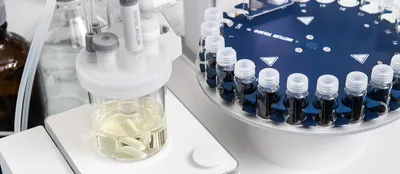
Useful records include the preparation method, sample mass, dilution history, and relevant instrument files. Barcodes can reduce manual entry, but a label alone does not establish traceability. The system still needs accurate links between the physical sample, its preparation records, and its results.
Data Transfer Needs More Than a Connection
Instrument interfaces can remove repeated transcription, but transferred data still need context. Units, sample identifiers, dilution factors, and result status must retain their meaning between systems. A concentration in the measured solution is not interchangeable with the concentration calculated for the original material.
Testing an interface with known examples helps reveal problems before they affect routine work. Useful cases include a result below the reporting limit, a rerun after dilution, and a sample with a failed analytical control. The receiving system needs to preserve those distinctions rather than import every value as an approved result.
Permissions, change histories, and links to raw data support review. They help an analyst understand who changed a record, why it changed, and which result underpins the report. Configuration and working practices determine how well those capabilities serve the laboratory.
Throughput Means Results Ready to Use
Samples measured per hour describe instrument activity. Turnaround from receipt to approval, repeat-preparation rates, and time spent resolving exceptions provide a broader view of laboratory performance. Comparing these measures before and after a change helps show whether automation removed a delay or moved it elsewhere.
Review remains part of battery quality control. Software can flag missing controls or results outside predefined limits, while analysts investigate ambiguous findings and assess whether the evidence supports the decision. Clear responsibilities keep an automated flag from becoming an unexplained verdict.
For the wider battery materials analysis workflow, successful automation leaves the laboratory with less repetitive handling and a clearer record of what happened to each sample. That combination helps teams manage a growing workload without losing the context needed to trust the results.
This article was produced under Separation Science's AI Editorial Guidelines.

