Trace-level PFAS analysis begins in the field. An unsuitable container, contaminated sampling device, or broken chain of custody can affect results long before an extract reaches the LC-MS/MS system.
Laboratories and field teams must treat collection and transport as part of the analytical method. The method should govern the container, preservation, sample volume, quality-control samples, and holding conditions rather than serving as a procedure that begins after receipt.
Start With the Analytical Method
The project team should select the analytical method before planning collection. EPA Methods 533 and 537.1 apply to drinking water, while EPA Method 1633A covers aqueous samples, solids, biosolids, and tissue.
These methods specify different containers, sample quantities, preservatives, and quality-control procedures. Applying a generic PFAS sampling protocol can create conflicts with the selected method or reporting program.
Before collection, the laboratory and field team should confirm:
- Method and target analyte list
- Matrix and required sample volume
- Container and cap materials
- Preservation and storage conditions
- Field blank and duplicate requirements
- Holding times
- Shipping arrangements
- Documentation and reporting limits
This review prevents the field team from making method decisions at the sampling location.
Supply Containers From a Controlled Source
The laboratory should provide or approve all containers used for PFAS samples. This gives the laboratory control over the container type, lot, and cleanliness.
Working in analytical science?
Register for a FREE Separation Science account to subscribe to the Separation Science Newsletter.

Method 1633A requires high-density polyethylene bottles with linerless high-density polyethylene or polypropylene caps for aqueous samples. Its nominal bottle size is 500 mL, although the method permits smaller containers in some circumstances, including samples with high solids or high PFAS concentrations.
Container requirements differ across methods and matrices. Drinking-water methods include their own bottle and preservation specifications, while tissue and solid samples require suitable containers that support storage and complete sample processing.
Labels must remain legible without introducing contamination. Teams should prepare labels before sampling where possible and place them where they will not be in contact with the sample or the inside of the container.
Control Everything in Contact With the Sample
PFAS can enter samples through collection equipment, tubing, pumps, filters, and other materials. Field teams should use equipment that meets the selected method and project plan, with documented cleaning or suitability checks where required.
Blanket lists of “prohibited” products can create false confidence. A material’s presence does not prove that it has contaminated a sample, while an item absent from a generic warning list may still introduce a target compound.
A stronger approach assesses each material according to whether it comes in contact with the sample, its role in the procedure, and evidence from blanks or qualification testing. Any necessary deviation should be recorded so the laboratory can evaluate its effect during data review.
Collect Representative Samples
Contamination control cannot compensate for an unrepresentative sample. The sampling plan must define the collection point, timing, and procedure needed to answer the project question.
Field personnel should avoid unnecessary sample transfers. Each transfer creates another contact surface and another opportunity for loss or contamination. Where the method requires analysis of the whole sample, the laboratory should receive the original container rather than a subsample prepared in the field.
Some matrices require additional planning. Wastewater can contain suspended material that forms part of the sample, while soil, biosolids, and tissue may vary across the collected mass. The field plan should define how personnel will collect and package these materials without changing the fraction submitted for analysis.
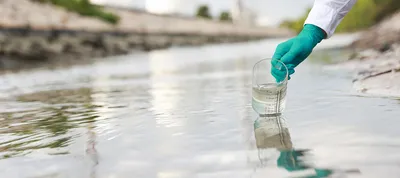
Use Field Quality-Control Samples
Field quality control helps laboratories distinguish environmental contamination from contamination introduced during collection and transport.
Under Method 537.1, a field reagent blank travels to the sampling site. The sampler transfers the supplied reagent water into an empty sample bottle, then returns the blank with the field samples. The result helps determine whether collection or handling introduced PFAS.
Field duplicates provide information about variability associated with collection, preservation, storage, and laboratory analysis. The project plan may also require equipment blanks or other controls, depending on the sampling system and regulatory program.
Field blanks must follow the same exposure and transport pathway as the associated samples. A blank that remains sealed or travels under different conditions cannot assess the full sampling process.
Preserve and Transport Samples Correctly
Field staff should follow the method’s requirements for preservation, temperature, and holding time. They should not add a preservative, filter a sample, or decant material unless the selected method or approved sampling plan directs them to do so.
Samples should be sealed, labelled and protected against leakage or damage. The shipping container must maintain the required conditions throughout transport, not only at dispatch.
The field team should record collection times, preservation, sample condition, and any event that may affect integrity. This information allows the laboratory to determine whether it can accept the samples without qualification.
Inspect Samples at Receipt
Sample receipt provides the final opportunity to identify problems before preparation begins. The receiving team should compare each container with the chain-of-custody record and method requirements.
A PFAS receipt check should cover:
- Sample identity and collection time
- Container and cap type
- Sample volume or mass
- Preservation and receipt condition
- Temperature, where required
- Leakage, breakage, or visible damage
- Field quality-control samples
- Holding time remaining
- Requested method and analytes
The laboratory should document the outcome, including any discrepancies. This creates a defensible record of the sample’s condition when custody transferred to the laboratory.
Resolve Problems Before Preparation
An incorrect container, missing field blank or exceeded holding time may affect the usability of the data. The laboratory should not allow preparation to erase the evidence of a receipt problem.

A written acceptance policy should define which issues require rejection, recollection, client authorization, or qualification in the final report. Staff should escalate unclear cases to the technical manager rather than making informal exceptions.
When recollection remains possible, resolving the problem before analysis may prevent the laboratory from producing results that cannot support the project objective.
Connect Field and Laboratory Records
PFAS sampling succeeds when the field and laboratory workflows form one traceable process. Container lots, field blanks, custody records, receipt checks, preparation batches, and analytical results should remain connected.
That traceability allows reviewers to investigate contamination patterns and determine which samples may share a common source. It also prevents a laboratory blank failure from becoming the only evidence considered when contamination may have entered earlier.
Careful sampling cannot guarantee clean results, but it removes avoidable uncertainty. By aligning collection, transport, and receipt with the analytical method, laboratories protect both the sample and the conclusions drawn from it.
This article was produced under Separation Science's AI Editorial Guidelines.